

Pellet Stove Stores Near Me
Pellet stoves are a sustainable green option for heating your home. They burn heating pellets that are made from sawdust compressed and wood waste materials in addition to biofuels like corn and nuts.
The pellets are inserted into a combustion chamber through an auger, and then burned to produce heat. Pellet stoves release combustible gases outwards using forced exhaust systems.
Cost
Pellet stoves might seem costly at first, but they can help homeowners save money in the long term. This kind of home heater is more efficient than a traditional fireplace and consumes less fuel. It also produces less emissions which makes indoor air cleaner.
Compare carefully several different estimates from businesses that specialize in pellet stove installation. Don't go with the lowest estimate, as it may indicate low-quality work. A reputable company will give you a detailed estimate, which includes a list of materials such as equipment, labor and warranties.
In addition to the cost of the pellet stove itself, you'll have to pay for electricity to run it. Pellet stoves need 360 to 465 Watts to ignite, and 80 to 345 watts per hour for burning. The amount of energy required to run your stove is contingent on the amount of time you are using it, if you are operating it at its highest temperature setting, and also on how big your home is.
A typical pellet stove requires around an ounce of pellets each day in winter. The addition of a hopper extension can reduce the frequency of refilling the hopper. This attachment can double or even triple the capacity of your hopper, and reduce the frequency with which you need to manually refill it.
Installing a smart thermostat to your pellet stove is an alternative option. You can then alter the temperature of your stove from anywhere using your smartphone. This will let you save energy by cranking down the temperature when you're away from home. Smart thermostats for pellet stoves typically cost between $15 and $250 to purchase.
Freestanding pellet stoves are rustic in appearance and bring a classic look to rooms. They are available in a range of colors and styles to match any decor. They're perfect for people who have a limited space because they do not take up wall or floor space. They can be a great supplement to an existing home heating system or as a primary source of heat for small homes. Additionally they can be used as outdoor heating sources for patios and decks.
Convenience
A pellet stove is a great alternative to the traditional wood-burning and gas-powered heating. It is a cost-effective heat source that can help you reduce your energy bills when used as a primary or supplemental heating system. pellet stoves used for sale has several features that make it a good option for homeowners who are looking to save money and reduce their carbon footprint while also reducing their carbon footprint.
Pellet stoves are made of wood pellets, made from recycled materials like sawdust and wood shavings. They are an eco-friendly alternative to gas and oil and can provide up to half as much energy as similar amounts of fuel oil or gas. The compressed pellets are lighter and easier to store as compared to firewood. In addition, they release less pollutants, such as less creosote, which could build up and cause chimney fires.
The convenience is another advantage. Contrary to wood stoves that require frequent monitoring and tend to create lots of smoke, pellet stoves come with an enclosed firebox that keeps them contained and emits very little smoke. The ash from the combustion is collected in an ash pan, which is easily cleaned and removed. Furthermore pellet stoves do not require chimneys for installation.
You'll need to think about the initial cost and investment before deciding to purchase pellet stoves. The price of electricity in your area and the availability of pellets will determine the kind and the quality you select. It is essential to research available government eco-rebates, tax incentives, and pellet stove sales near me before making a decision.
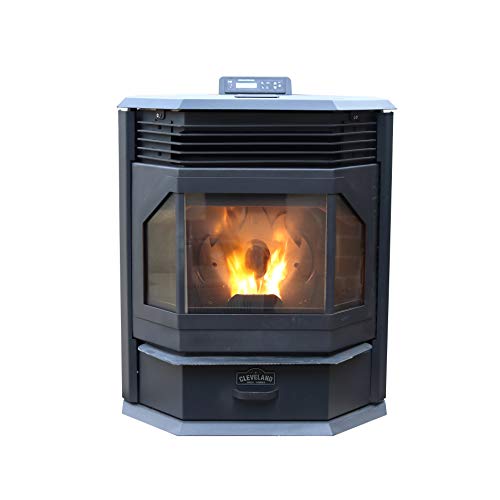
Your pellet stove will pay off in a short time by reducing your energy expenses. If you buy the best model, you'll be able to enjoy the beautiful flames of your fireplace without worrying about expenses for electricity. It is possible to refill the hopper once or twice per day, depending on the size of the stove and how frequently you use it.
Energy Efficiency
In contrast to the pot-bellied stove of grandma, modern wood and pellet stoves offer high heating efficiency and lower energy costs. They also emit less carbon dioxide than wood stoves.
Pellet stoves, which are a relatively new technology, are becoming more popular due to the fact that they offer a wood fire that is environmentally friendly without the necessity of purchasing and storing traditional logs of wood. These stoves are powered by tiny wood pellets. Simply pour the bag into a hopper, and the stove starts to work. The stoves work automatically and you don't need to keep the flame running. The stoves are also fitted with thermostats that permit you to choose the desired temperature.
On the other hand, a traditional wood-burning stove is one that uses firewood is fed manually and it requires more care than a pellet stove. Both stoves can be used as primary or supplemental sources of heat. However, if you need to heat a large space and require a pellet stove that has greater BTU ratings could be required to ensure the room feels warm and comfortable.
The efficiency of a pellet stove may be greater than the combustion efficiency of a wood-burning stove. Most advertisements will include the efficiency of combustion, which is an estimate of the amount of heat that is transferred to the home by the combustible material. A higher combustion efficiency indicates the chimney will be smaller which helps save the cost of installation and decreases heat loss to the atmosphere.
Both stoves can be a fantastic source of supplemental heat for your home, and each provide the traditional wood-burning fireplace appearance. Pellet stoves, however, are more efficient and require less maintenance than traditional wooden stoves. They're also a good option for those with little space or who don't want the mess or costs of a traditional fireplace.
To maximize the efficiency of a pellet or wood stove you can consider adding weatherization to your home. Adding insulation and caulking cracks around doors and windows will help reduce your energy costs. You can also install a smart thermostat, which analyzes your consumption and adjusts its output to meet your heating needs.
Maintenance
Wood and pellet stoves are the most beautiful and efficient method to heat your home. These heating systems may be utilized to keep your home warm, or to be added to your main heating system. Both types of stoves need regular maintenance and cleaning in order to perform at their best. While you can perform some of the work yourself, it is essential to hire a professional when needed. These skilled contractors have the tools and training to complete the work quickly, safely and effectively.
While a pellet stove is easy to operate, it will require more maintenance than a traditional wood-burning fireplace or stove. It is important to regularly clean your flue and keep the hopper stocked with the right type of pellets. If you neglect to do these things the chimney and stove could suffer from issues like overheating, creosote buildup, and even fire damage.
Look around for the top pellet stoves and models. Avoid buying low-cost stoves at big-box stores like PelPro (owned Hearth & Home), or Cleveland IronWorks. Instead, look for stoves made by reputable manufacturers who offer warranties. Find a retailer who sells high-quality stoves in a variety of finishes.
The best pellet stoves feature a motor-driven auger that moves the pellets into the combustion chamber at a set rate. A blower is also available to move the exhaust gases out of the chimney. These features can make pellet stoves more energy-efficient than a wood-burning model with the same size burner.
A smaller size for a pellet stove will also allow you to save money and make the most of your limited space. For instance, a free-standing pellet stove can be placed within 2 inches of a combustible wall, while wood stoves generally require at least 19 inches of clearance to the rear of a combustible wall. A pellet stove requires a chimney that is properly designed and sized to prevent smoke and soot buildup inside the home.